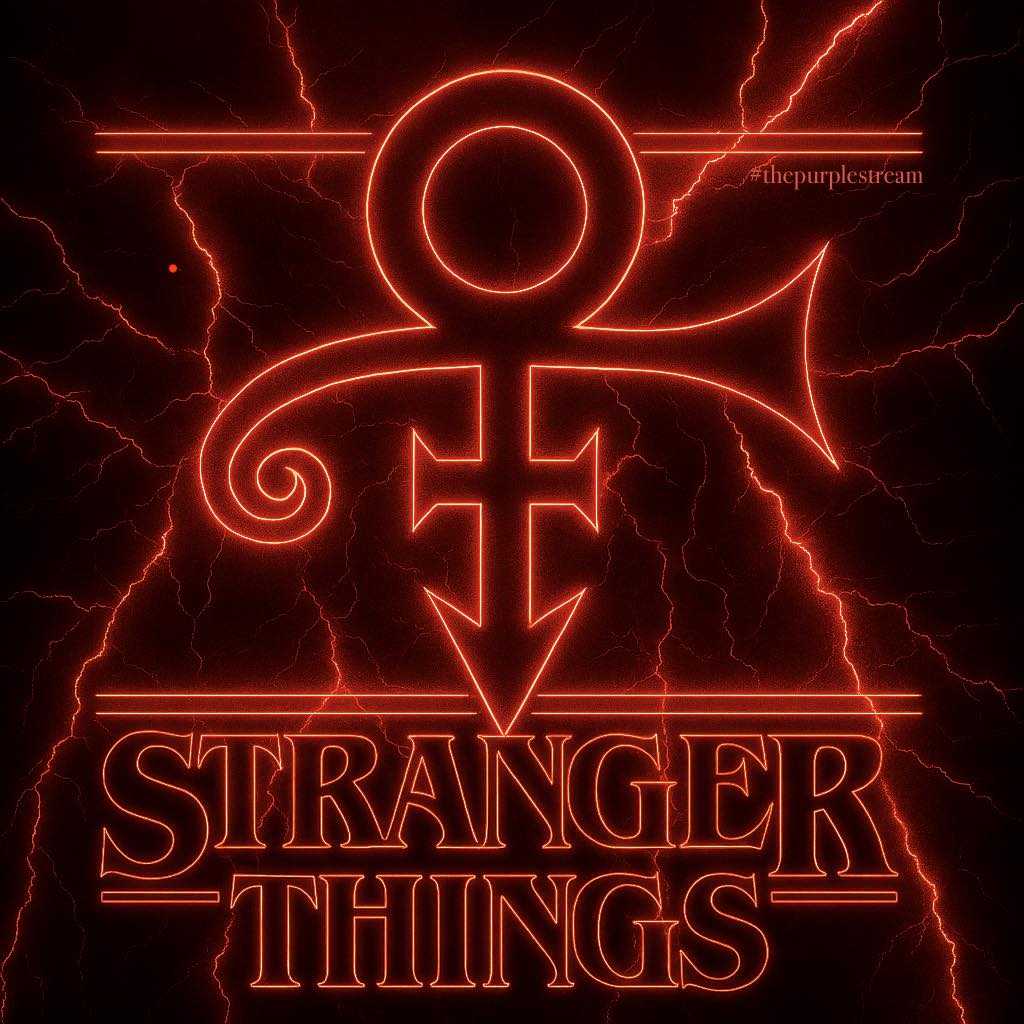
Using When Doves Cry near the end of Stranger Things is not a needle drop meant to feel cool. It is a statement about what kind of ending the show is choosing.
Prince’s song is about emotional inheritance.
It opens with the question of why relationships break down and quickly turns inward, pointing to patterns passed down from parents to children. That idea sits quietly underneath Stranger Things, especially in Eleven’s story. She does not just fight creatures from another world. She carries the weight of broken adults, failed systems and choices made long before she was born.
The song reframes her arc as generational rather than heroic.
Unlike most songs used in the series, When Doves Cry does not offer nostalgia as comfort. It is an eighties song that does not feel warm or reassuring. It is sharp and uneasy. That matters because Stranger Things has always played with the idea of childhood memory, using pop culture to soften fear. Ending with a song that refuses that softness signals a shift. The show is done romanticizing the past.
By the final moments of the series, the external threat may be quieter but the internal damage remains. Families are changed. Childhood is gone. Relationships are strained by things that cannot be undone. When Doves Cry plays in that space. It is not triumphant. It is not mournful in an obvious way. It feels unsettled, like something that ended but did not heal.
The song also strips things down. There is no bass line, which gives it a hollow, exposed feeling. That sparseness mirrors the show’s final tone. The noise of monsters and spectacle fades, leaving people alone with what they have become. Eleven is no longer defined by action. She is defined by aftermath.
There is another layer too.
Prince wrote When Doves Cry as a refusal to follow expectations. It broke pop rules and still became massive. Stranger Things does something similar by refusing a clean ending. Instead of spelling out Eleven’s future, the show steps back and lets silence and uncertainty do the work.
He was an artist who rejected labels, refused to be controlled and constantly redefined his identity. That aligns closely with Eleven’s journey away from being owned, named and used by others. Ending with Prince is a quiet nod to self-definition, even when it comes at a cost.
Doves are symbols of peace and love. When they cry, something has gone wrong. Ending the series with that idea suggests that survival is not the same as victory. The world may keep turning, but innocence does not come back just because the danger fades.
By choosing When Doves Cry, Stranger Things avoids closure and chooses honesty. It lets the story end in emotional ambiguity, where answers would feel false. The song does not tell us what happens next because that is not its job. It leaves us where the characters are, standing in the quiet aftermath, unsure but still moving forward.
In that sense, the song does not underline the ending. It questions it. And for a show that grew up alongside its audience, that may be the most fitting final note it could choose.
What about Purple Rain?
The song. The moment. It all spoke for itself… just like Eleven’s story.


Leave a Reply