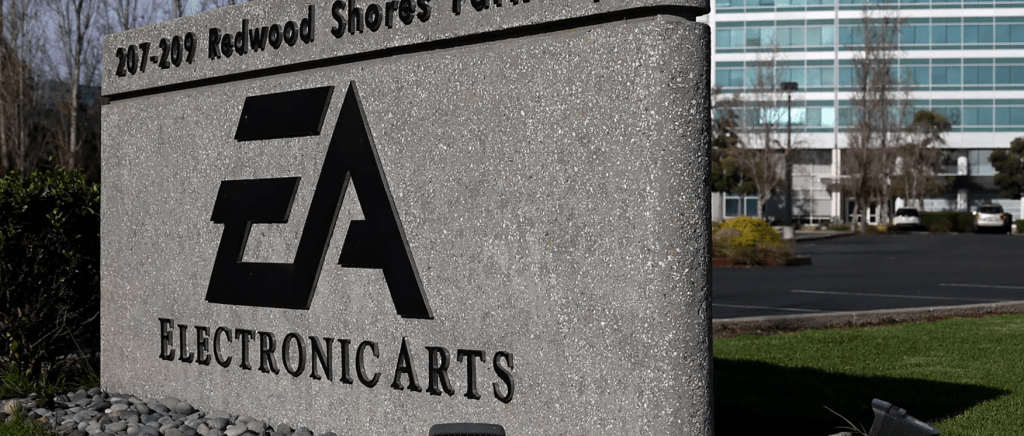
EA just made the biggest move in gaming history.
The company behind Madden, The Sims, Battlefield, and EA Sports College Football is being sold for 55 billion dollars to Saudi Arabia’s Public Investment Fund, Silver Lake, and Jared Kushner’s Affinity Partners. Shareholders will pocket 210 dollars a share, and if regulators approve, EA goes private in 2027. It’s the largest leveraged buyout ever.
For Saudi Arabia, this isn’t just a financial play.
It’s part of Vision 2030, the Kingdom’s ambitious plan to diversify the economy beyond oil. Vision 2030 emphasizes technology, entertainment, and global media, aiming to position Saudi Arabia as a major player in gaming and esports. Owning EA gives the Kingdom access to globally recognized franchises, esports tournaments, and millions of players worldwide. It also comes with something even more valuable … data. Every login, purchase, and in-game choice is tracked. In the hands of a sovereign fund with global ambitions, that data isn’t just numbers… it’s influence.
For EA, going private offers a chance to ditch Wall Street’s quarterly scoreboard and focus on the long game. But the deal comes with 20 billion in debt, and someone has to pay it. That usually means more microtransactions, more Ultimate Team packs, and fewer creative risks.
Some critics are already asking if this is TikTok all over again.
TikTok drew scrutiny because China owned it, raising fears about data security, content influence, and cultural control. EA isn’t a social media platform, but it collects massive amounts of player data and shapes culture through its games. With Saudi ownership, the same questions arise. Could creative decisions shift? Could esports competitions be influenced? Could in-game marketing reflect the Kingdom’s priorities?
There are potential upsides.
Private ownership might give EA room to slow down, polish games, and finally deliver on long-promised features instead of rushing buggy launches. Deep-pocketed owners could also fund bigger projects and riskier ideas, from advanced AI integration to new long-cycle franchises.
But the risks are just as real.
The debt pressure could turn more franchises into cash machines. Layoffs and studio consolidation are possible as costs are trimmed. Content could face subtle changes. Even EA’s global reputation could take a hit. Fans, media, and partners like the NFL or UEFA might rethink relationships tied to Saudi ownership. And data security remains a key concern. Regulators will scrutinize who can access player information and how it’s used, especially with Vision 2030 ambitions in play.
It’s not TikTok 2.0, but the questions feel familiar.
Who controls the platforms we spend our time on? Who controls the games we love? And what values will they bring into them?
 GORESPORTS.net
Leave a comment