What’s Going On?
Imagine you’re a star athlete in high school. College recruiters are calling. But today, it’s not just about the team or the coach. Now, money plays a huge role too. Some players get paid to go to certain schools, not by the schools themselves, but by boosters or companies offering deals just for their name or image. It’s gotten so messy that the President of the United States decided to step in and make major changes.
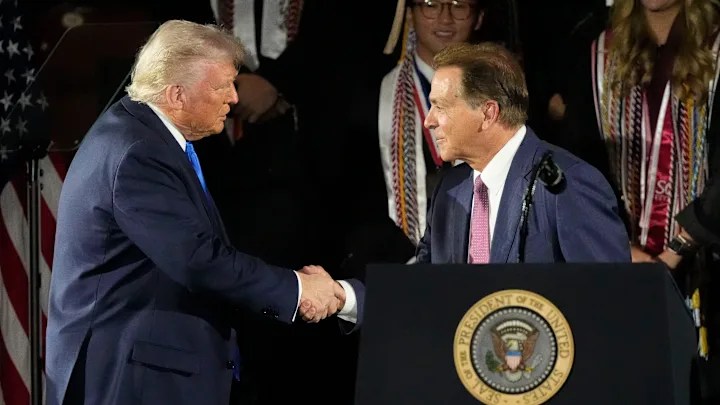
On July 24, 2025, President Donald Trump signed a big executive order called “Saving College Sports.” It’s a plan to fix what many are calling the “Wild West” of college sports. This order could change how college athletes are paid, what rights they have, and which sports schools are required to support.
Here’s my attempt to break it down:
Why Did This Happen?
The Old System: “Amateur” Athletes
- College athletes could get scholarships but not money for playing
- Schools made billions from sports, but athletes got nothing extra
- Critics said it was unfair
The Big Court Case: NCAA v. Alston (2021)
- The Supreme Court ruled that the NCAA couldn’t limit some types of education-related benefits
- The court didn’t allow full salaries for athletes—but it opened the door for more lawsuits
The NIL Explosion
- After the court ruling, the NCAA let athletes earn money from their Name, Image, and Likeness (NIL)
- Example: A quarterback could get paid to be in a local car commercial
- Problem: Boosters started offering huge “NIL deals” that looked more like bribes to choose their school
Chaos Takes Over
- Rules changed state by state
- Rich boosters started “collectives” to pay athletes
- Recruiting turned into bidding wars—some teams reportedly spent $40 million or more on players
- Non-revenue sports (like swimming or women’s soccer) were at risk of being cut to save money for big sports like football
What Does the Executive Order Do?
Stops “Pay-for-Play”
- Athletes can still get paid for real work like ads or appearances
- But they can’t get giant checks for doing almost nothing
- Boosters can’t just use money to lure athletes to schools
Keeps NIL: But Makes It Clear
- Athletes can earn money, but only if:
- It’s a real job or service
- The pay matches the work
Example:
- OK: $10,000 to promote a brand
- Not OK: $500,000 with no real work required
Says Athletes Are Not Employees
- Right now, college athletes aren’t like regular workers
- If they become employees, schools would have to:
- Pay wages
- Offer benefits
- Allow unions
This order asks government agencies to keep student-athletes as students, not workers
Tries to Stop Endless Lawsuits
- The NCAA has lost a lot of court battles
- The order tells government lawyers to defend college sports from constant legal attacks
What About Women’s Sports?
The order puts a big focus on protecting women’s and Olympic sports
Why?
- Most college money comes from football and men’s basketball
- Other sports, especially women’s teams, don’t make much money
- If budgets get tighter, schools might cut non-revenue sports
What Title IX Says
- Schools must give equal sports opportunities to men and women
- Cutting women’s teams could break this law
What the Order Requires
- Schools must protect or grow support for non-revenue sports
- Rich schools must:
- Offer more scholarships than last year
- Fill all roster spots for women’s and Olympic sports
The Department of Education can punish schools that don’t follow the rules—maybe even take away federal funding
Why It Matters
This executive order is a big deal because:
- It tries to fix a broken system before it harms more athletes
- It protects fairness and competition, especially for non-revenue sports
- It tells athletes: You can earn money, but college sports shouldn’t turn into the NFL
- It could affect you in the future if you plan to play sports in college
What Happens Next?
Courts
- Will someone sue to stop the order?
Congress
- Will lawmakers pass a real law to make this permanent?
Colleges
- Will schools follow the rules or look for loopholes?
Final Thoughts
College sports are changing fast. This executive order is the government’s attempt to press pause and bring back some balance. Whether it works depends on what happens in court, in Congress, and in locker rooms across the country.
For student-athletes like you, the game is no longer just played on the field. It’s also playing out in Washington, D.C.
Key Takeaways
- The President signed a major order to stop chaos in college sports
- NIL payments must be real, no more fake deals from boosters
- Student-athletes are not employees… for now
- Women’s and Olympic sports are protected under Title IX
- The future of college sports will depend on how schools, courts, and Congress respond
 GORESPORTS.net
Leave a comment